
How Smart Manufacturing is Transforming Factories with AI and IoT in 2026
13 Apr 2026
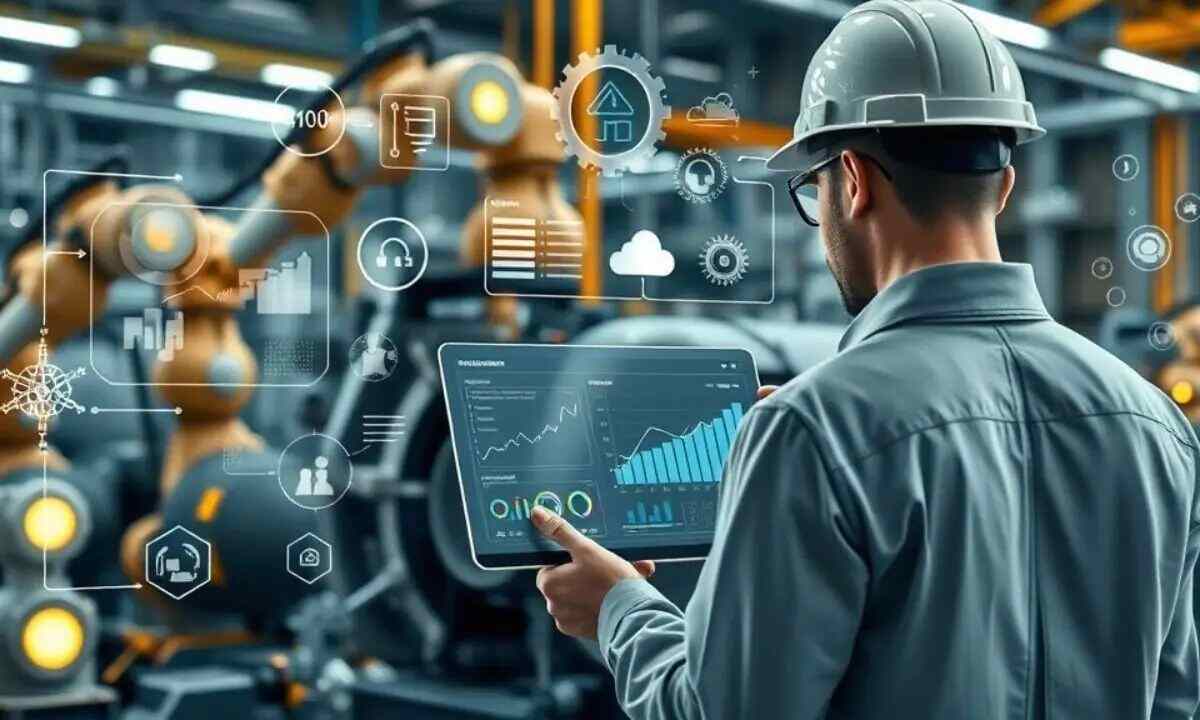
The manufacturing industry is undergoing a massive shift in 2026, driven by the rise of smart manufacturing. Powered by advanced technologies like Artificial Intelligence (AI) and the Internet of Things (IoT), factories are becoming more connected, efficient, and intelligent than ever before. This transformation, often referred to as Industry 4.0, is reshaping how products are designed, produced, and delivered.
In this blog, we’ll explore how smart manufacturing is transforming factories in 2026, the role of AI and IoT in manufacturing, and the real-world benefits for businesses embracing this change.
What is Smart Manufacturing?
Smart manufacturing refers to the use of advanced technologies such as AI, IoT, machine learning, and real-time data analytics to improve production processes. It involves creating connected factories where machines, systems, and humans communicate seamlessly to optimize performance.
Unlike traditional manufacturing, which relies heavily on manual processes and static systems, smart manufacturing uses data-driven insights to make decisions, automate tasks, and continuously improve operations.
How AI Improves Manufacturing Efficiency
AI in manufacturing is one of the most significant drivers of change in 2026. By leveraging machine learning algorithms and predictive analytics, manufacturers can enhance productivity and reduce downtime.
1. Predictive Maintenance
AI enables predictive maintenance by analyzing machine data to identify potential failures before they occur. Instead of waiting for equipment to break down, manufacturers can proactively schedule maintenance, reducing costly downtime and extending machine life.
2. Quality Control Automation
AI-powered systems can detect defects in products using computer vision and pattern recognition. This ensures higher quality standards and minimizes waste caused by faulty products.
3. Process Optimization
AI analyzes large volumes of production data to identify inefficiencies and suggest improvements. This leads to better resource utilization, faster production cycles, and reduced operational costs.
4. Demand Forecasting
With AI, manufacturers can predict customer demand more accurately, allowing for better inventory management and supply chain optimization.
What is the Role of IoT in Smart Factories?
The Internet of Things (IoT) plays a crucial role in connecting devices and systems within a factory. IoT in the manufacturing industry enables real-time monitoring and data exchange between machines, sensors, and software platforms.
1. Real-Time Data Collection
Smart sensors embedded in machinery collect data on temperature, pressure, performance, and more. This data is transmitted to centralized systems for analysis.
2. Connected Factories Technology
IoT allows different machines and systems to communicate with each other, creating a fully connected factory ecosystem. This improves coordination and reduces manual intervention.
3. Remote Monitoring and Control
Factory managers can monitor operations remotely and make adjustments in real time, improving flexibility and responsiveness.
4. Supply Chain Visibility
IoT enhances supply chain transparency by tracking materials and products throughout the production process, ensuring timely delivery and reducing bottlenecks.
How AI and IoT are Used in the Manufacturing Industry
When combined, AI and IoT create powerful smart factory solutions that revolutionize industrial operations.
- Industrial IoT (IIoT) Applications: Sensors collect data, and AI analyzes it to optimize machine performance.
- Automation in Manufacturing Industry: AI-driven robots and automated systems handle repetitive tasks with precision.
- Real-Time Data Analytics: Manufacturers gain actionable insights instantly, enabling faster decision-making.
- Factory Digitization: Entire production lines are digitized for better monitoring and control.
This synergy between AI and IoT is at the heart of digital transformation in manufacturing.
How Smart Factories Reduce Costs
One of the biggest advantages of smart manufacturing in 2026 is cost reduction. Here’s how smart factories achieve it:
1. Reduced Downtime
Predictive maintenance prevents unexpected breakdowns, saving both time and repair costs.
2. Lower Labor Costs
Automation reduces the need for manual labor in repetitive tasks, allowing workers to focus on higher-value activities.
3. Energy Efficiency
Smart systems monitor energy usage and optimize consumption, reducing utility expenses.
4. Waste Reduction
AI-driven quality control minimizes defective products, reducing material waste and rework costs.
Benefits of Smart Manufacturing for Modern Factories
The benefits of smart manufacturing go beyond cost savings. Here are some key advantages:
- Increased Productivity: Automated systems and optimized workflows boost output.
- Improved Product Quality: AI ensures consistent quality standards.
- Enhanced Flexibility: Factories can quickly adapt to changing market demands.
- Better Decision-Making: Data-driven insights lead to smarter business decisions.
- Supply Chain Optimization: Improved visibility and coordination streamline operations.
Real Examples of Smart Factories Using AI and IoT
Many global manufacturers are already leveraging smart manufacturing technologies:
Automotive Industry
Car manufacturers use AI-powered robots and IoT sensors to automate assembly lines and ensure precision in production.
Electronics Manufacturing
Companies use smart sensors and real-time analytics to monitor production and maintain high-quality standards.
Pharmaceutical Industry
AI helps optimize drug production processes, while IoT ensures compliance with strict regulatory standards.
These real-world examples highlight how Industry 4.0 is changing manufacturing processes across sectors.
How Industry 4.0 is Changing Manufacturing Processes
Industry 4.0 technologies are redefining traditional manufacturing by introducing:
- Cyber-Physical Systems: Integration of physical machines with digital systems.
- Smart Sensors: Devices that collect and transmit real-time data.
- Machine Learning in Manufacturing: Systems that learn and improve over time.
- Industrial Automation: Reduced human intervention and increased efficiency.
This shift is enabling manufacturers to move from reactive to proactive operations.
How to Implement Smart Manufacturing in Factories
Adopting smart manufacturing requires a strategic approach. Here are key steps:
1. Assess Current Infrastructure
Evaluate existing systems and identify areas for improvement.
2. Invest in Smart Technologies
Adopt AI, IoT, and automation tools that align with business goals.
3. Train Workforce
Equip employees with the skills needed to operate and manage new technologies.
4. Start Small and Scale
Begin with pilot projects and gradually expand implementation.
5. Focus on Data Integration
Ensure seamless data flow between systems for effective decision-making.
How is AI Transforming Factories in 2026?
AI is transforming factories by making them smarter, faster, and more efficient. In 2026, AI is not just a tool; it’s a core component of manufacturing strategy. From predictive maintenance and quality control to supply chain optimization and automation, AI is enabling factories to operate with unprecedented precision and agility.
Conclusion
Smart manufacturing in 2026 is no longer a futuristic concept; it’s a reality reshaping the industrial landscape. With AI and IoT at its core, the manufacturing industry is embracing digital transformation to stay competitive in a rapidly evolving market.
By adopting smart factory solutions, businesses can improve efficiency, reduce costs, and deliver higher-quality products. As Industry 4.0 continues to evolve, manufacturers that invest in connected factory technology and advanced analytics will be better positioned for long-term success.
The future of manufacturing is smart, connected, and data-driven, and the transformation is just getting started.
Looking to streamline your workflows with AI and automation?
Explore NanoByte Technologies solutions and get started.
Other Posts

 (1).png)
.jpeg)